レビュー
まだレビューはありません
こちらもおすすめ



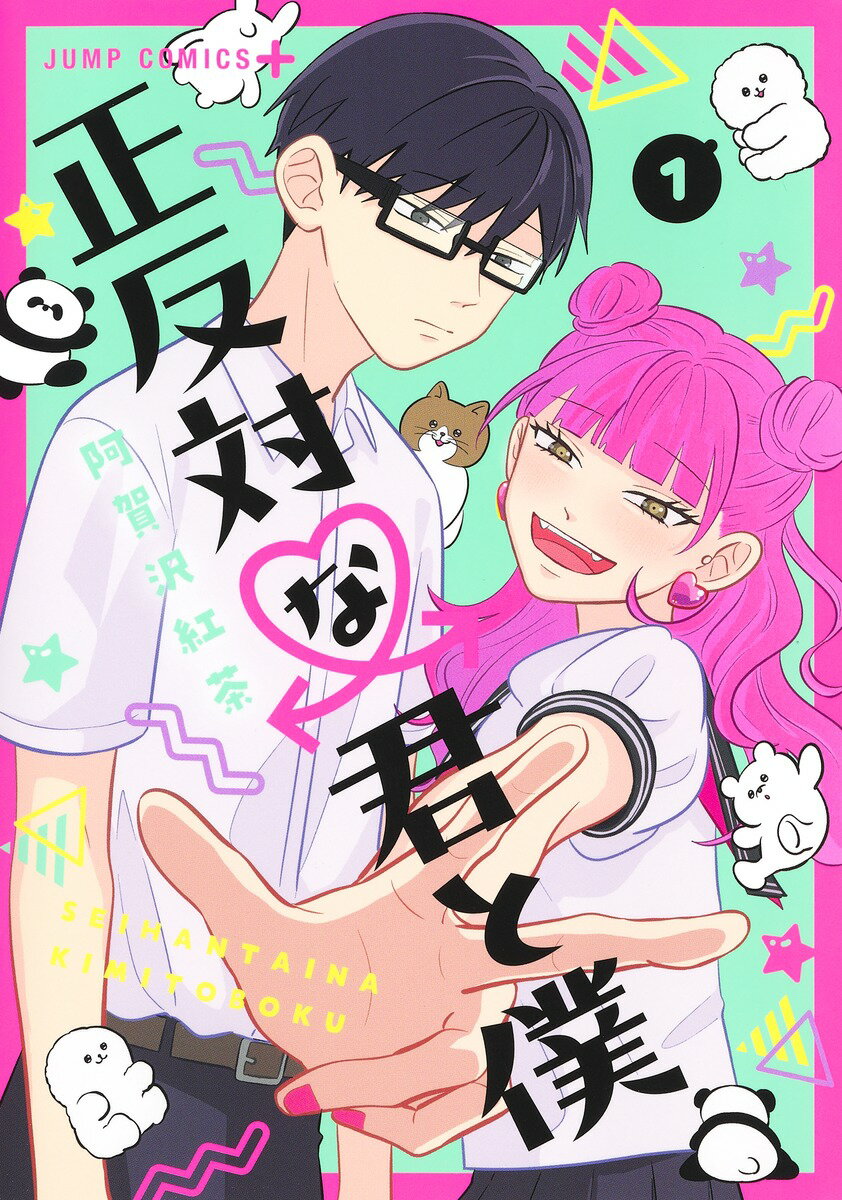
基本情報
- 連載期間
- 2019年〜
- 連載状況
- 連載中
あらすじ
THOUGHT The user wants a natural Japanese translation of "The daily banter of two idiots in love." I need to convey the core ideas: - "daily": 毎日、日常 - "banter": 軽口、掛け合い、やり取り - "two idiots in love": 愛し合う二人、バカップル、馬鹿な二人 Let's consider a few options: 1. **直訳に近い形:** 「愛し合う二人の馬鹿の毎日の軽口」 - A bit clunky. "馬鹿の軽口" isn't the most natural. 2. **Focus on "banter" and "in love":** 「愛し合う二人の毎日の掛け合い」 - This is good. "掛け合い" fits "banter" well, implying back-and-forth. "愛し合う二人" is natural. 3. **More colloquial for "idiots":** 「愛し合うバカップルの日常のやり取り」 - "バカップル" (bacouple) is a very common term for "idiots in love" in Japanese. "日常のやり取り" (daily interaction/banter) also works well. 4. **Slightly more descriptive:** 「恋人同士の二人が交わす、たわいのない日常のやり取り」 - "たわいのない" (trivial/harmless) can imply the "idiots" part subtly. Comparing options: - Option 2: 「愛し合う二人の毎日の掛け合い」 - Natural, accurate. - Option 3: 「愛し合うバカップルの日常のやり取り」 - Very natural, captures the "idiots" part perfectly with "バカップル". "日常のやり取り" is also very fitting. - Option 4: 「恋人同士の二人が交わす、たわいのない日常のやり取り」 - A bit long for a manga synopsis title. I think Option 3 is the most concise and natural, perfectly capturing the nuance of "idiots in love" with "バカップル" and "daily banter" with "日常のやり取り". Let's refine Option 3: 「愛し合うバカップルの日常のやり取り」 This feels very natural and concise for a manga synopsis. "日常のやり取り" implies "daily" and "banter". "愛し合うバカップル" implies "two idiots in love". Another very natural way to express "banter" is "痴話喧嘩" (chika-genka), but that specifically means lovers' quarrel, which might be a bit too strong if the banter isn't quarrelsome. "やり取り" is broader and safer. "掛け合い" is also good. Let's consider "日常の掛け合い" vs "日常のやり取り". Both are excellent. "やり取り" is slightly more general, "掛け合い" often implies a more performative back-and-forth, like in comedy. For daily banter, "やり取り" might be slightly more fitting. Final check: "愛し合うバカップルの日常のやり取り" - 「愛し合う」 (in love) - 「バカップル」 (idiots, implied "two") - 「日常のやり取り」 (daily banter) This is a strong candidate. Let's try "毎日交わされる痴話喧嘩じみたやり取り" if "idiots" implies a bit of a silly squabble. However, "banter" itself doesn't always mean quarrel. It's lighthearted. "馬鹿な二人の、愛ゆえの日常の軽口" - This tries to be very literal for "idiots" but "愛ゆえの軽口" is a bit poetic. "愛し合う二人の馬鹿げた日常のやり取り" - 「愛し合う二人」 (two in love) - 「馬鹿げた」 (idiotic/silly) - 「日常のやり取り」 (daily banter) This also works very well. "馬鹿げた" directly translates "idiots" as an adjective for the interaction, rather than labelling the couple "バカップル". Which is more natural for a manga synopsis? "愛し合うバカップルの日常のやり取り" - "バカップル" is a common trope, so it fits manga well. "愛し合う二人の馬鹿げた日常のやり取り" - Also good, perhaps slightly more formal than "バカップル". Given the tone of "idiots in love," "バカップル" might be the most direct and natural way to convey that specific nuance in Japanese for a manga context. So, 「愛し合うバカップルの日常のやり取り」 seems like the best fit. It's concise, natural, and captures all the nuances.愛し合うバカップルの日常のやり取り
関連作品
- 別バージョン
- 今年の三石さんはどこかおかしい