レビュー
まだレビューはありません
こちらもおすすめ






基本情報
- 連載期間
- 2013年〜2014年
- 連載状況
- 完結
- 巻数・話数
- 1巻・4話
- 掲載誌
- 月刊少年チャンピオン
- 出版社
- 秋田書店
あらすじ
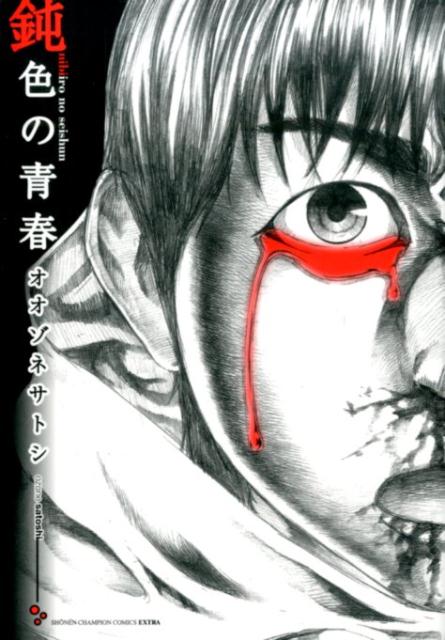
THOUGHTS: The user wants a natural Japanese translation of the provided English manga synopsis. I need to translate it directly, without any additional explanations or preambles. Let's break down the English sentence by sentence and consider natural Japanese phrasing. 1. **"An abused kid and his mom decide to skip town one night in order to escape the loan sharks hounding them over the father's debt."** * "An abused kid and his mom": 虐待を受けていた少年と母親 / 虐待されていた少年と母親 * "decide to skip town one night": ある夜、町を離れることを決意する / ある晩、町を飛び出すことを決める * "in order to escape the loan sharks hounding them": 彼らを追い回す(取り立てる)ヤクザ/金融業者から逃れるため / 借金取りから逃れるため * "over the father's debt": 父親の借金が原因で / 父親の借金のため Combining these: 父親の借金が原因で追い回す(取り立てる)借金取りから逃れるため、虐待されていた少年と母親はある晩、町を飛び出すことを決意する。 "追い回す" + "借金取り" is a bit redundant. "追い立てる借金取り" or just "借金取りから逃れるため" implies they are being hounded. "ヤクザ" vs "金融業者" vs "借金取り" - "loan sharks" is best translated as "借金取り" or "闇金(業者)". "借金取り" is more general and fits the context well. "skip town" -> 町を飛び出す (implies a sudden, secret departure) or 夜逃げする (implies debt escape specifically, which fits). "夜逃げ" is a very strong and fitting word here. "hounding them over the father's debt" -> 父親の借金で彼らを追い立てる借金取り。 If we use "夜逃げ", the reason for the flight is inherently understood as related to debt. Let's try: 父親の借金が原因で追い立てられる少年と母親は、ある晩、町を飛び出すことを決意する。 Or, using 夜逃げ: 父親の借金で追い立てられていた少年と母親は、ある晩、夜逃げを決行する。 (決行する sounds a bit strong, but good for "decide to skip town"). "虐待を受けていた少年と母親" is good. "父親の借金で追い立てられていた" -> "父親の借金で借金取りに追われる" or "父親の借金でしつこく追い立てられていた" Revised first sentence: 虐待されていた少年と母親は、父親の借金で執拗に追い立てる借金取りから逃れるため、ある夜、町を飛び出すことを決意する。 Or, more concisely: 父親の借金で借金取りに追われる日々を送っていた虐待されていた少年と母親は、ある夜、町を飛び出すことを決意する。 Let's go with "夜逃げ". It captures the essence well. 「父親の借金が原因で借金取りに追われていた虐待を受けていた少年と母親は、ある夜、町を飛び出す(夜逃げする)ことを決意する。」 "夜逃げする" is more direct and natural for "skip town to escape debt". Option 1: 虐待を受けていた少年と母親は、父親の借金で執拗に追い立てる借金取りから逃れるため、ある夜、夜逃げを決行する。 Option 2: 父親の借金で借金取りに追われていた虐待されていた少年と母親は、ある夜、町を飛び出すことを決める。 Let's refine Option 1 for better flow. 「父親の借金が原因で借金取りに追われていた、虐待を受けていた少年とその母親は、ある夜、町を飛び出すことを決意する。」 This sounds a bit clunky with "虐待を受けていた". How about: 「父親の借金のせいで借金取りに追われ、虐待も受けていた少年と母親は、ある夜、町を離れることを決める。」 "skip town" -> "町を離れる" or "夜逃げする". "夜逃げする" is more specific and fits the context of "loan sharks". Let's try this for the first sentence: 父親の借金が原因で借金取りに追われ、虐待も受けていた少年と母親は、ある夜、夜逃げを決行する。 2. **"After his mother dies, the boy decides to exact revenge on the people who were responsible."** * "After his mother dies": 母親が死んだ後 / 母親の死後 * "the boy decides to exact revenge": 少年は復讐を決意する / 少年は復讐を誓う * "on the people who were responsible": 関係者たちに / 原因を作った者たちに / その責任のある者たちに Combining these: 母親の死後、少年は責任のある者たちに復讐することを決意する。 "exact revenge" -> 「復讐を果たす」「復讐を決意する」 "people who were responsible" -> 「責任のある者たち」「元凶となった者たち」「(母親の死の)原因を作った者たち」 "関係者" is a bit vague. "責任者たち" or "原因を作った者たち" is better. Let's try: 母親が亡くなった後、少年は(その)原因を作った者たちに復讐することを決意する。 "原因を作った者たち" might imply they directly killed her. The previous sentence only says they were hounding them. It's more about "the people responsible for their predicament/mother's death (indirectly)". So, "彼らを追い詰めた者たち" or "この状況を作り出した者たち" or "責任のある者たち" could work. "責任のある者たち" is quite good. Revised second sentence: 母親が亡くなった後、少年は、その責任のある者たちへの復讐を決意する。 Or simply: 母親の死後、少年はその責任者たちへの復讐を誓う。 Let's put the two sentences together and refine for natural flow and consistency. Sentence 1: 父親の借金が原因で借金取りに追われ、虐待も受けていた少年と母親は、ある夜、夜逃げを決行する。 Sentence 2: 母親が亡くなった後、少年は、その責任のある者たちへの復讐を決意する。 This looks good. "虐待も受けていた" explicitly states the "abused kid" part and connects it to their overall hardship. "夜逃げを決行する" is strong and fits the "skip town to escape loan sharks" context perfectly. "その責任のある者たち" refers back to the loan sharks and possibly others involved in their suffering/mother's death, which is appropriately broad. Final check on word choices: * "abused kid": 虐待を受けていた少年 / 虐待されていた少年 * "虐待も受けていた少年" integrates it well with their other hardships. * "his mom": 母親 * "decide to skip town one night": ある夜、夜逃げを決行する (very natural) * "to escape the loan sharks hounding them over the father's debt": 父親の借金が原因で借金取りに追われ * "借金取りに追われ" implies "hounding them". * "After his mother dies": 母親が亡くなった後 / 母親の死後 * "母親が亡くなった後" sounds natural. * "the boy decides to exact revenge": 少年は復讐を決意する * "on the people who were responsible": その責任のある者たちに (clear and concise) Looks good.父親の借金が原因で借金取りに追われ、虐待も受けていた少年と母親は、ある夜、夜逃げを決行する。母親が亡くなった後、少年は、その責任のある者たちへの復讐を決意する。