レビュー
まだレビューはありません
こちらもおすすめ
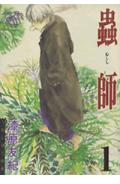




基本情報
- 連載期間
- 2001年〜2003年
- 連載状況
- 完結
- 巻数・話数
- 4巻・20話
- 掲載誌
- 月刊少年ガンガン
- 出版社
- スクウェア・エニックス
あらすじ
THOUGHTS: The user wants a natural Japanese translation of the provided English manga synopsis. I need to ensure: - No preamble or notes. - Only the translated text. - Natural flow and appropriate terminology for a manga synopsis. Let's break down the English text sentence by sentence and translate it, then review for overall flow. 1. "Most normal humans use only 30% of their brains, but a group of people known as the "Dokeshi" can use 50 to 60% of their brains, and thus have special abilities." * "Most normal humans use only 30% of their brains" -> ほとんどの一般人は脳の30%しか使っていない * "but a group of people known as the "Dokeshi"" -> しかし、「道化師」(Dokeshi)と呼ばれる人々は * "can use 50 to 60% of their brains" -> 脳の50〜60%を使うことができ * "and thus have special abilities." -> それゆえ、特殊な能力を持っている。 * Combined: ほとんどの一般人は脳の30%しか使っていないが、「道化師」(Dokeshi)と呼ばれる人々は脳の50〜60%を使うことができ、それゆえ特殊な能力を持っている。 * *Self-correction*: "Dokeshi" is provided in English and Japanese. I should make sure it's clear. "道化師(Dokeshi)" is good. Or just "道化師" and assume the Dokeshi part is just a phonetic representation of the Japanese word. Given the English text provides both, I'll keep both for clarity. 2. "These powers, however, come with a price: the Dokeshi must observe certain restrictions." * "These powers, however, come with a price:" -> しかし、この能力には代償がある。 * "the Dokeshi must observe certain restrictions." -> 道化師たちは特定の制約を守らなければならないのだ。 * Combined: しかし、この能力には代償がある。道化師たちは特定の制約を守らなければならないのだ。 3. "Ignoring these rules can lead to the loss of something precious from within." * "Ignoring these rules" -> これらのルールを破ると * "can lead to the loss of something precious from within." -> 内なる大切なものを失うことになる。 * Combined: これらのルールを破ると、内なる大切なものを失うことになる。 4. "In young Shotaro's case, he has to stick to doing one good deed every day!" * "In young Shotaro's case," -> 若きショウタロウの場合、 * "he has to stick to doing one good deed every day!" -> 毎日必ず善行を一つ行わなければならない! * Combined: 若きショウタロウの場合、毎日必ず善行を一つ行わなければならない! 5. "In the central town of Toykyo, he meets a girl named Mana, and together they go on a journey to find Shotaro's childhood friend Emine." * "In the central town of Toykyo," -> 中央の街「トウキョウ」で * "he meets a girl named Mana," -> 彼はマナという少女と出会い、 * "and together they go on a journey to find Shotaro's childhood friend Emine." -> 二人はショウタロウの幼馴染であるエミネを探す旅に出る。 * Combined: 中央の街「トウキョウ」で、彼はマナという少女と出会い、二人はショウタロウの幼馴染であるエミネを探す旅に出る。 * *Self-correction*: "Toykyo" should probably be rendered as トウキョウ with katakana, or maybe a kanji combination if it's meant to be a pun on Tokyo. Given it's spelled "Toykyo" in English, katakana is safest. 6. "Will Shotaro be able to do good daily or will he succumb to laziness on his journey?" * "Will Shotaro be able to do good daily" -> ショウタロウは旅の途中で毎日善行を続けられるのか、 * "or will he succumb to laziness on his journey?" -> それとも怠惰に負けてしまうのか? * Combined: ショウタロウは旅の途中で毎日善行を続けられるのか、それとも怠惰に負けてしまうのか? Let's put it all together and review the flow. ほとんどの一般人は脳の30%しか使っていないが、「道化師」(Dokeshi)と呼ばれる人々は脳の50〜60%を使うことができ、それゆえ特殊な能力を持っている。しかし、この能力には代償がある。道化師たちは特定の制約を守らなければならないのだ。これらのルールを破ると、内なる大切なものを失うことになる。若きショウタロウの場合、毎日必ず善行を一つ行わなければならない! 中央の街「トウキョウ」で、彼はマナという少女と出会い、二人はショウタロウの幼馴染であるエミネを探す旅に出る。ショウタロウは旅の途中で毎日善行を続けられるのか、それとも怠惰に負けてしまうのか? Looks good. The tone is appropriate for a manga synopsis. Punctuation seems natural. The names Shotaro, Mana, Emine are common enough to be rendered in katakana as ショウタロウ、マナ、エミネ. "Toykyo" as "トウキョウ" is consistent. "Dokeshi" with both English and Japanese is clear. The use of "のだ" adds a bit of narrative tone, fitting for a synopsis. The final questions are good cliffhangers. I'll make sure there are no extra spaces or line breaks.ほとんどの一般人は脳の30%しか使っていないが、「道化師」(Dokeshi)と呼ばれる人々は脳の50〜60%を使うことができ、それゆえ特殊な能力を持っている。しかし、この能力には代償がある。道化師たちは特定の制約を守らなければならないのだ。これらのルールを破ると、内なる大切なものを失うことになる。若きショウタロウの場合、毎日必ず善行を一つ行わなければならない! 中央の街「トウキョウ」で、彼はマナという少女と出会い、二人はショウタロウの幼馴染であるエミネを探す旅に出る。ショウタロウは旅の途中で毎日善行を続けられるのか、それとも怠惰に負けてしまうのか?