
レビュー
まだレビューはありません
こちらもおすすめ
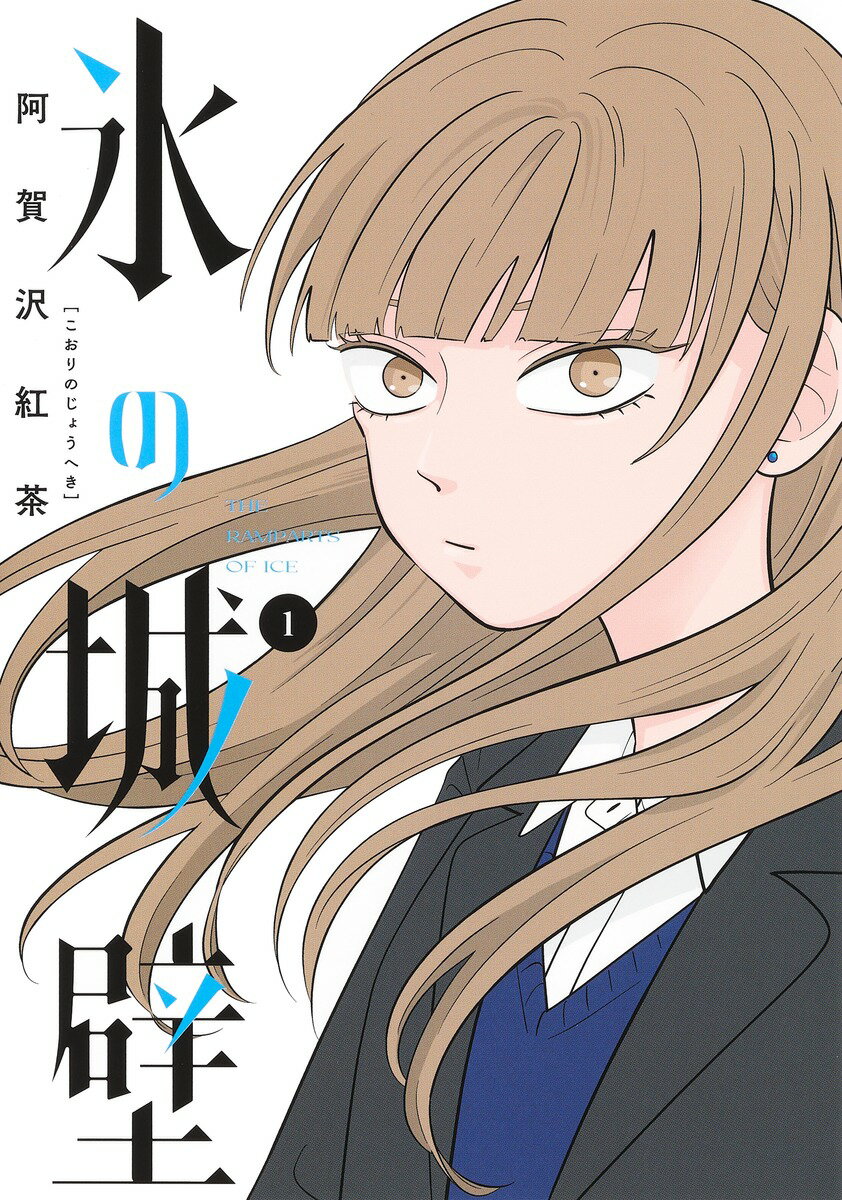



基本情報
- 連載期間
- 2017年〜2017年
- 連載状況
- 完結
- 巻数・話数
- 1巻・12話
- 掲載誌
- Hug pixiv
- 出版社
- フロンティアワークス
あらすじ
THOUGHT The user wants a natural Japanese translation of "A cute story about a couple and their dates." I need to convey the meaning without any extra words or notes. "A cute story" -> かわいい話、ほのぼのとした話、キュートな物語 "about a couple and their dates" -> カップルとそのデートについて、あるカップルのデートを描いた話 Let's combine these. "あるカップルがデートする、かわいらしい物語。" - A bit formal. "カップルのデートを描いた、かわいらしい物語。" - Good, but maybe simpler. "あるカップルのデートの物語。" - This loses "cute". Let's try: "カップルがデートを重ねる、可愛らしい物語。" "カップルのデートを描いた、心温まる物語。" - "Heartwarming" is a good substitute for "cute" in this context. "カップルのデートを描いた、可愛らしい物語。" - This is direct. What about just focusing on the "cute" aspect? "カップルのデートを描いた、可愛らしいストーリー。" "カップルのデートが綴られる、キュートな物語。" Given the original is "A cute story", let's stick to "可愛い物語" or "キュートな物語". "A cute story about a couple and their dates." Focus on the couple and their dates first: "あるカップルのデートの様子を描いた" Then the cute story part: "可愛らしい物語。" So: "あるカップルのデートを描いた、可愛らしい物語。" Let's refine. "デートを重ねる" implies multiple dates, which "dates" does. "カップルがデートを重ねる、可愛らしい物語。" This sounds natural. Or, a bit more concise: "カップルのデートを描いた、可愛らしい物語。" (This is good) "あるカップルの、デートの可愛らしい物語。" (A bit clunky) "あるカップルのデートの日々を綴る、可愛らしい物語。" (Too long for an *abstract*) Let's go with: "カップルのデートの日々を描いた、可愛らしい物語。" (This includes the plural "dates" well) Or, even simpler: "あるカップルのデートを描いた、可愛らしい物語。" I think "カップルのデートを描いた、可愛らしい物語。" is concise and accurate. The "A cute story" comes first, so "可愛らしい物語" should be placed to emphasize it. "可愛らしい物語。カップルのデートを描いた。" (No, this reverses the flow) "カップルのデートの日々を描いた、可愛らしい物語。" This translates "a couple" (カップル), "and their dates" (デートの日々を描いた), "A cute story" (可愛らしい物語). It's natural.カップルのデートの日々を描いた、可愛らしい物語。