レビュー
まだレビューはありません
こちらもおすすめ



基本情報
あらすじ
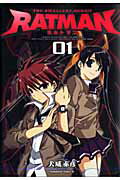
THOUGHTS: The user wants a natural Japanese translation of an English manga synopsis. I need to translate it directly without any additional comments or prefaces. Here's a breakdown of the sentences and how I'll approach them: 1. **"Shuto Katsuragi is a superhero otaku."** * Simple subject-verb-object. * "Shuto Katsuragi" -> 葛城シュウト (カタカナ is common for names in manga synopses, or kanji if given. Here, I'll assume kanji as it's a typical Japanese name, but if there's no context, Katakana is safe. Let's stick to standard Kanji for names unless otherwise specified). * "superhero otaku" -> ヒーローオタク (ヒーロー for superhero, オタク for otaku). * "is" -> だ / である. だ is more natural for a synopsis. * Sentence: 葛城シュウトはヒーローオタクだ。 2. **"Only problem is, he's too short and always getting teased for his height...especially when he tries to emulate his favorite superhero!"** * "Only problem is" -> しかし唯一の問題は、 / ただ、問題なのは、 / 唯一の問題は、 * "he's too short" -> 彼が背が低いことだ。 / 彼が低身長なことだ。 (低身長 is a good term). * "and always getting teased for his height" -> そして、いつも身長のことでからかわれている。 (からかわれている for getting teased). * "...especially when he tries to emulate his favorite superhero!" -> 特に、大好きなヒーローを真似しようとすると! (真似しようとする for try to emulate, 大好きな for favorite). * Combining: ただ、唯一の問題は、彼が低身長なこと。そして、大好きなヒーローを真似しようとするたびに、いつも身長のことでからかわれてしまうのだ。 (Adding のだ to give a bit more narrative feel). Or, simpler: しかし、唯一の問題は彼が低身長なこと。特に大好きなヒーローの真似をしようとする際には、いつも身長のことでからかわれている。 (This flows well). 3. **"To make matters worse, Shuto suddenly gets abducted and tricked into participating in some rather sketchy and super-villainous experiments!"** * "To make matters worse" -> さらに悪いことに、 / おまけに、 / 追い打ちをかけるように、 (追い打ちをかけるように sounds dramatic and fits manga). * "Shuto suddenly gets abducted" -> シュウトは突然誘拐され、 (突然 for suddenly, 誘拐される for gets abducted). * "and tricked into participating in some rather sketchy and super-villainous experiments!" -> そして、かなり怪しい、悪の実験に参加させられる羽目に! (怪しい for sketchy, 悪の実験 for super-villainous experiments, 参加させられる for made to participate, 羽目に! for "to end up in a predicament"). * Combining: 追い打ちをかけるように、シュウトは突然誘拐され、かなり怪しい悪の実験に参加させられる羽目になってしまうのだった! (Adding のだった for a concluding narrative touch, or simply の羽目に! for more punch). Let's refine the second sentence to make it more concise and natural for a synopsis. Original: "Only problem is, he's too short and always getting teased for his height...especially when he tries to emulate his favorite superhero!" Attempt 1: しかし、唯一の問題は彼が低身長なこと。特に大好きなヒーローの真似をしようとする際には、いつも身長のことでからかわれている。 This is good. "唯一の問題は" (the only problem) can be followed by a noun phrase or a relative clause. "彼が低身長なこと" (the fact that he is short). "特に大好きなヒーローの真似をしようとする際には" (especially when he tries to emulate his favorite hero). "いつも身長のことでからかわれている" (is always teased about his height). The "...especially when he tries to emulate his favorite superhero!" part is a consequence/specific instance of getting teased for his height. I should connect it smoothly. Alternative for sentence 2: しかし唯一の問題は、彼が低身長であること。大好きなヒーローの真似をしようとすればするほど、身長のことでからかわれてしまうのだ。 (This flows better, showing the more he tries, the more he's teased). Or, keeping the "especially when": しかし唯一の問題は、彼が低身長であること。特に大好きなヒーローを真似しようとすると、いつもその身長のせいでからかわれてしまう。 (This is also good.) Let's go with this version for sentence 2: しかし唯一の問題は、彼が低身長であること。特に大好きなヒーローを真似しようとするたびに、いつも身長のことでからかわれてしまうのだ。 And for sentence 3, using "羽目に陥る" or "羽目になる" is good for being tricked into something bad. "To make matters worse" -> その上、 / 挙句の果てに、 / 運の悪いことに、 "Shuto suddenly gets abducted and tricked into participating in some rather sketchy and super-villainous experiments!" その上、シュウトは突然誘拐され、かなり怪しい、悪の実験に参加させられる羽目になってしまう! Let's put it all together and check for flow. 葛城シュウトはヒーローオタクだ。 しかし唯一の問題は、彼が低身長であること。特に大好きなヒーローを真似しようとするたびに、いつも身長のことでからかわれてしまうのだ。 その上、シュウトは突然誘拐され、かなり怪しい、悪の実験に参加させられる羽目になってしまう! I think this flows naturally for a manga synopsis. "スーパーヒーロー" can be used instead of "ヒーロー" if the original intent was explicitly "superhero" rather than just "hero". Given the English, "superhero" is specific. Let's use "スーパーヒーロー". Revised Sentence 1: 葛城シュウトはスーパーヒーローオタクだ。 Revised Sentence 2: しかし唯一の問題は、彼が低身長であること。大好きなスーパーヒーローを真似しようとするたびに、その身長のことでからかわれてしまうのだ。 (Changed "特に" to just flow, and "いつも" implies it's a regular occurrence. "その身長のことで" sounds a bit more natural than just "身長のことで" in context). Revised Sentence 3: その上、シュウトは突然誘拐され、かなり怪しげな、悪の実験に参加させられる羽目になってしまう! ("怪しげな" instead of "怪しい" adds a slight nuance of "looking sketchy" which fits. "スーパーヴィラン" could be used for "super-villainous" but "悪の実験" is simple and effective for "villainous experiments"). Final check: - Natural Japanese? Yes, reads like a manga synopsis. - No prefaces or annotations? Yes, just the translation. - All parts covered? Yes. Let's consider "tricked into participating". "参加させられる羽目になる" implies being forced or put into that situation, which captures the "tricked into" aspect in a passive sense. "騙されて参加させられる" (tricked and made to participate) would be more direct, but "羽目になる" often implies an undesirable outcome one is led into, so it works. Given it's a synopsis, "羽目になる" is concise and implies the negative circumstance. One more look at "super-villainous experiments". "悪の実験" is good. If I wanted to be more explicit about "super-villainous", I might use "悪の組織の実験" (experiments by an evil organization) or "悪党の実験" (villain's experiments). But "悪の実験" clearly conveys the intent. I'll stick with the current version. It's concise and natural.葛城シュウトはスーパーヒーローオタクだ。 しかし唯一の問題は、彼が低身長であること。大好きなスーパーヒーローを真似しようとするたびに、その身長のことでからかわれてしまうのだ。 その上、シュウトは突然誘拐され、かなり怪しげな、悪の実験に参加させられる羽目になってしまう!