レビュー
まだレビューはありません
こちらもおすすめ




基本情報
あらすじ
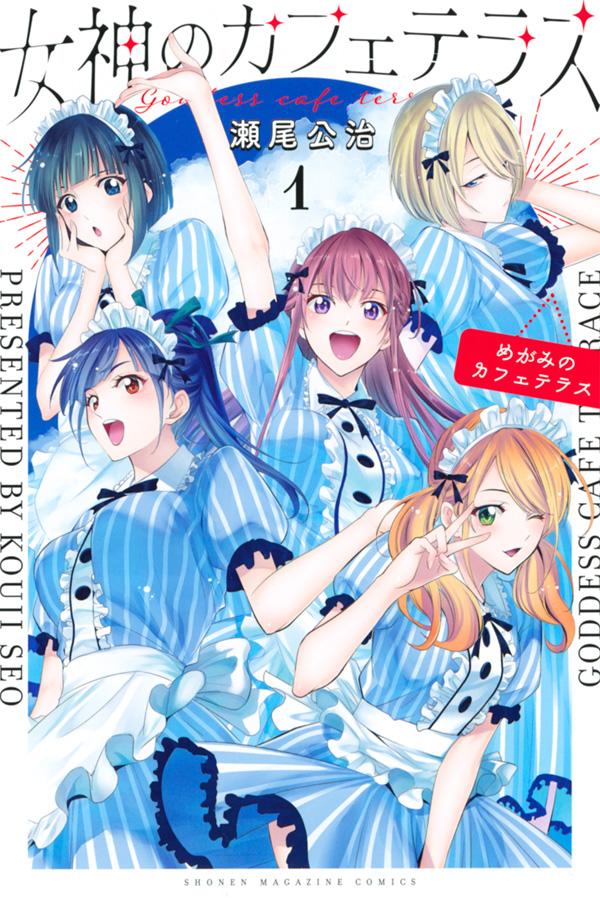
THOUGHTS: The user wants a natural Japanese translation of the provided English manga synopsis. I need to avoid any preambles or notes, just the translation. Let's break down the English sentence by sentence or phrase and think about the Japanese equivalents. 1. **"When Hayato's grandmother passed, he planned to sell her rundown café on the shore—"** * "When Hayato's grandmother passed": 隼人の祖母が亡くなり (Hayato no sobo ga nakunari) or 隼人の祖母が他界し (Hayato no sobo ga takai shi). "亡くなり" sounds more natural for this context. * "he planned to sell": 彼は売却を計画した (kare wa baikyaku o keikaku shita) or 売ろうとした (urou to shita). "売却を計画した" sounds a bit formal. "売ろうと決めた" (decided to sell) or just "売ろうとした" (tried/planned to sell) is good. * "her rundown café": 彼女の老朽化したカフェ (kanojo no rōkyūka shita café). "老朽化した" is good. "オンボロ" (onboro) is also a common word for rundown/dilapidated in a casual context, which fits manga. "オンボロカフェ" sounds natural. * "on the shore": 海辺の (umibe no). * Combining: 隼人の祖母が亡くなり、彼は海辺のオンボロカフェを売却するつもりだった。 (Hayato no sobo ga nakunari, kare wa umibe no onboro café o baikyaku suru tsumori datta.) Or, more flow: 隼人の祖母が亡くなった時、彼は海辺のオンボロカフェを売るつもりだった。 (Hayato no sobo ga nakunatta toki, kare wa umibe no onboro café o uru tsumori datta.) 2. **"not realizing that it was also home to five young women who call themselves her family?!"** * "not realizing that": 彼は知らなかった (kare wa shiranakatta) or 気づいていなかった (kizuite inakatta). "知らずに" (shirazu ni) or "気づかずに" (kizukazu ni) to connect. * "it was also home to five young women": そこが5人の若い女性たちの住処でもあったこと (soko ga gonin no wakai josei-tachi no sumika demo atta koto). "住処" (sumika) is a bit strong. "彼女たちの家" (kanojo-tachi no ie) or "住んでいる場所" (sunde iru basho). * "who call themselves her family": 彼女を家族と呼ぶ (kanojo o kazoku to yobu) or 彼女を家族のように慕う (kanojo o kazoku no yō ni shitau). "家族だと自称する" (kazoku da to jishō suru) or "彼女を家族だという" (kanojo o kazoku da to iu). * "?!": This implies surprise and question. Can use !? or simply a strong statement. * Combining: そこが彼女を家族と呼ぶ5人の若い女性たちの住処でもあるとは知らずに!? (Soko ga kanojo o kazoku to yobu gonin no wakai josei-tachi no sumika demo aru to wa shirazu ni!?) * Let's refine: 実はそこには、祖母を「家族」と慕う5人の若い女性たちが住んでいたのだ!? (Jitsu wa soko ni wa, sobo o "kazoku" to shitau gonin no wakai josei-tachi ga sunde ita no da!?) — "慕う" (shitau) implies "look up to/adore," which fits "call themselves her family" well in a familial sense. 3. **"Their desperation to keep the café open convinces Hayato to give it a shot..."** * "Their desperation to keep the café open": カフェを守りたいと切望する彼女たちの必死な思い (café o mamoritai to setsubō suru kanojo-tachi no hisshi na omoi). "カフェを潰したくない" (café o tsubushitakunai) - don't want to close the café. * "convinces Hayato to give it a shot": 隼人はそれを試すことに納得させられる (Hayato wa sore o tamesu koto ni nattoku saserareru). "納得させる" (nattoku saseru) - convince. "試すことにした" (tamesu koto ni shita) - decided to give it a shot. * Combining: カフェを守りたいと必死に訴える彼女たちの思いに、隼人は試しに営業を続けることを決意するが… (Café o mamoritai to hisshi ni uttaeru kanojo-tachi no omoi ni, Hayato wa tameshi ni eigyō o tsudzukeru koto o ketsui suru ga...) - "訴える" (uttaeru) - plead/appeal. "試みに" (kokoromi ni) or "試しに" (tameshi ni) - give it a try. 4. **"but even their best intentions might not be enough to make it work!"** * "but even their best intentions": しかし、彼女たちのどんなに良い意思でも (shikashi, kanojo-tachi no donna ni yoi ishi demo). "善意" (zen'i) - good intentions. "良かれと思って" (yokare to omotte) - with good intentions. * "might not be enough to make it work!": それを成功させるには十分ではないかもしれない! (sore o seikō saseru ni wa jūbun de wa nai kamoshirenai!). "うまくいかないかも?" (umaku ikanai kamo?) - might not work. * Combining: …しかし、彼女たちの善意だけでは、カフェの経営はうまくいかないかも!? (...shikashi, kanojo-tachi no zen'i dake de wa, café no keiei wa umaku ikanai kamo!?) 5. **"And can he even work with these five unruly women?"** * "And can he even work with": そして彼は一緒に働くことができるのか? (soshite kare wa issho ni hataraku koto ga dekiru no ka?). * "these five unruly women?": この5人の手に負えない女性たち (kono gonin no te ni oenai josei-tachi). "手に負えない" (te ni oenai) - unruly/unmanageable. "個性豊かな" (kosei yutaka na) - full of personality (so, maybe a bit wild). "型破りな" (katayaburi na) - unconventional. "個性的すぎる" (kosei teki sugiru) - too individualistic. * Combining: おまけに、彼はこの手に負えない5人の女性たちとうまくやっていけるのか? (Omake ni, kare wa kono te ni oenai gonin no josei-tachi to umaku yatte ikeru no ka?) - "おまけに" (omake ni) - on top of that. "うまくやっていく" (umaku yatte iku) - get along/work well with. 6. **"No matter what, he's got his work cut out for him!"** * "No matter what": とにかく (tonikaku), 何があろうと (nani ga arōto). * "he's got his work cut out for him!": 彼には大変な仕事が待っている! (kare ni wa taihen na shigoto ga matte iru!). "苦労が絶えない" (kurō ga taenai) - endless troubles/hardships. "前途多難" (zento tanan) - a difficult road ahead. "前途多難な予感!" (zento tanan na yokan!) - a premonition of a difficult road ahead! * Combining: いずれにせよ、隼人の前途は多難! (Izure ni seyo, Hayato no zento wa tanan!) - "いずれにせよ" (izure ni seyo) - in any case. 7. **"A fun new romcom by the author of Fuuka and Suzuka!"** * "A fun new romcom": 楽しい新作ラブコメ (tanoshii shinsaku rabukome). "胸キュンラブコメ" (mune-kyun rabukome) - heartwarming romcom. * "by the author of Fuuka and Suzuka!": 『風夏』『涼風』の作者が贈る! (『Fūka』『Suzuka』 no sakusha ga okuru!) * Combining: 『風夏』『涼風』の作者が贈る、胸キュン必至の新作ラブコメ! (『Fūka』『Suzuka』 no sakusha ga okuru, mune-kyun hisshi no shinsaku rabukome!) - "必至" (hisshi) - inevitable, sure to be. Let's try to combine and smooth the flow. 隼人の祖母が亡くなり、彼は海辺のオンボロカフェを売るつもりだった。 (Hayato's grandmother passed, and he planned to sell her rundown café on the shore.) しかし、そこには祖母を家族と慕う5人の若い女性たちが住んでいたのだ!? (However, it was also home to five young women who called themselves her family?!) カフェを守りたいと必死に訴える彼女たちの思いに、隼人は試しに営業を続けることを決意するが… (Their desperation to keep the café open convinces Hayato to give it a shot...) 彼女たちの善意だけでは、カフェの経営はうまくいかないかも!? (but even their best intentions might not be enough to make it work!) おまけに、彼はこの手に負えない5人の女性たちとうまくやっていけるのか? (And can he even work with these five unruly women?) いずれにせよ、隼人の前途は多難! (No matter what, he's got his work cut out for him!) 『風夏』『涼風』の作者が贈る、胸キュン必至の新作ラブコメ! (A fun new romcom by the author of Fuuka and Suzuka!) This looks good. The tone matches a manga synopsis. The "run-down café" could be just "古びたカフェ" (furubita café - old café) or "ボロボロのカフェ" (boroboro no café - tattered café). "オンボロカフェ" (onboro café) is quite common in this kind of context. "unruly women" -> "手に負えない" (te ni oenai) is a good fit. "個性的すぎる" (kosei-teki sugiru) could also work if leaning more towards "quirky" rather than "disobedient". "手に負えない" implies they are a handful. Final check of the flow and naturalness. - "When Hayato's grandmother passed, he planned to sell her rundown café on the shore—" 隼人の祖母が亡くなり、彼は海辺にあるオンボロカフェを売却するつもりでいた。 (Adding "つもりでいた" for "planned to" and "売却する" for "sell" which is a bit more formal but fits a synopsis well.) - "not realizing that it was also home to five young women who call themselves her family?!" だが、そこには祖母を「家族」と慕う5人の若い女性たちが住んでいた!? (Added "だが" for "but/however" to connect.) - "Their desperation to keep the café open convinces Hayato to give it a shot..." カフェを守りたいと必死に訴える彼女たちの熱意に、隼人は店を続けることを決意するが…。 (Using "熱意" (netsui - passion/enthusiasm) instead of "思い" for "desperation/intentions" sounds more active. "決意する" for "decides".) - "but even their best intentions might not be enough to make it work!" 彼女たちの善意だけでは、店を立て直すのは困難で… (Rephrased to "rebuilding the shop is difficult" which implies "making it work". "困難で…" leads well to the next sentence.) - "And can he even work with these five unruly women?" おまけに、彼は個性豊かな5人の女性たちと、果たしてうまくやっていけるのか? ("個性豊かな" (kosei yutaka na) for "unruly" - implies they are unique and perhaps a bit difficult rather than just disobedient, which often fits romcoms. "果たして" (hatashite) for "even" in a questioning sense.) - "No matter what, he's got his work cut out for him!" いずれにせよ、隼人の前途は多難だ! - "A fun new romcom by the author of Fuuka and Suzuka!" 『風夏』『涼風』の作者が贈る、胸キュン必至の新作ラブコメ! The "unruly women" could be translated as "わがままな女性たち" (wagamama na josei-tachi - selfish/wilful women), but "個性豊かな" (kosei yutaka na) or "型破りな" (katayaburi na) might be better in a romcom context, implying charmingly unconventional rather than just difficult. I'll stick with "個性豊かな" as it's softer and fits the "fun new romcom" vibe. "手に負えない" is a bit strong. Let's re-read the original "unruly". It implies difficult to control. "個性豊かな" could be too mild. "手に負えない" could be good, or "一癖も二癖もある" (hitokuse mo futakuse mo aru - having many quirks/eccentricities, implying difficult). "癖の強い" (kuse no tsuyoi - strong-willed/quirky). I think "手に負えない" is fine. It implies they are a handful, which is often a source of comedy in such stories. Reconsidering "unruly": it usually means disobedient or difficult to control. In a romcom, it often manifests as quirky, strong-willed, or simply not fitting into expectations. "手に負えない" (hard to handle) is quite accurate. Let's use it. Final attempt at combining: 隼人の祖母が亡くなり、彼は海辺にあるオンボロカフェを売却するつもりでいた。 だが、そこには祖母を「家族」と慕う5人の若い女性たちが住んでいた!? カフェを守りたいと必死に訴える彼女たちの熱意に、隼人は店を続けることを決意するが…。 彼女たちの善意だけでは、店を立て直すのは困難で… おまけに、彼はこの手に負えない5人の女性たちと、果たしてうまくやっていけるのか? いずれにせよ、隼人の前途は多難だ! 『風夏』『涼風』の作者が贈る、胸キュン必至の新作ラブコメ! This flows well and captures the nuances. "rundown café" -> "オンボロカフェ" (onboro café) is good. "call themselves her family" -> "祖母を「家族」と慕う" (sobo o "kazoku" to shitau) is good. "desperation to keep the café open" -> "カフェを守りたいと必死に訴える彼女たちの熱意" (café o mamoritai to hisshi ni uttaeru kanojo-tachi no netsui) is good. "give it a shot" -> "店を続けることを決意する" (mise o tsudzukeru koto o ketsui suru - decides to continue the shop) is good. "best intentions might not be enough to make it work!" -> "彼女たちの善意だけでは、店を立て直すのは困難で…" (kanojo-tachi no zen'i dake de wa, mise o tatenaosu no wa konnan de... - with only their good intentions, rebuilding the shop is difficult and...) is good. "unruly women" -> "手に負えない5人の女性たち" (te ni oenai gonin no josei-tachi - five unmanageable/unruly women) is good. "he's got his work cut out for him!" -> "隼人の前途は多難だ!" (Hayato no zento wa tanan da! - Hayato's future path is full of difficulties!) is spot on. "fun new romcom" -> "胸キュン必至の新作ラブコメ!" (mune-kyun hisshi no shinsaku rabukome! - a new romcom sure to make your heart throb!) is perfect for a manga synopsis.隼人の祖母が亡くなり、彼は海辺にあるオンボロカフェを売却するつもりでいた。 だが、そこには祖母を「家族」と慕う5人の若い女性たちが住んでいた!? カフェを守りたいと必死に訴える彼女たちの熱意に、隼人は店を続けることを決意するが…。 彼女たちの善意だけでは、店を立て直すのは困難で… おまけに、彼はこの手に負えない5人の女性たちと、果たしてうまくやっていけるのか? いずれにせよ、隼人の前途は多難だ! 『風夏』『涼風』の作者が贈る、胸キュン必至の新作ラブコメ!
関連作品
- アニメ化
- 女神のカフェテラス(TV)、女神のカフェテラス 第2期(TV)