レビュー
まだレビューはありません
こちらもおすすめ




基本情報
- 連載期間
- 2022年〜
- 連載状況
- 連載中
- 掲載誌
- 月刊コミックアライブ
- 出版社
- KADOKAWA
あらすじ
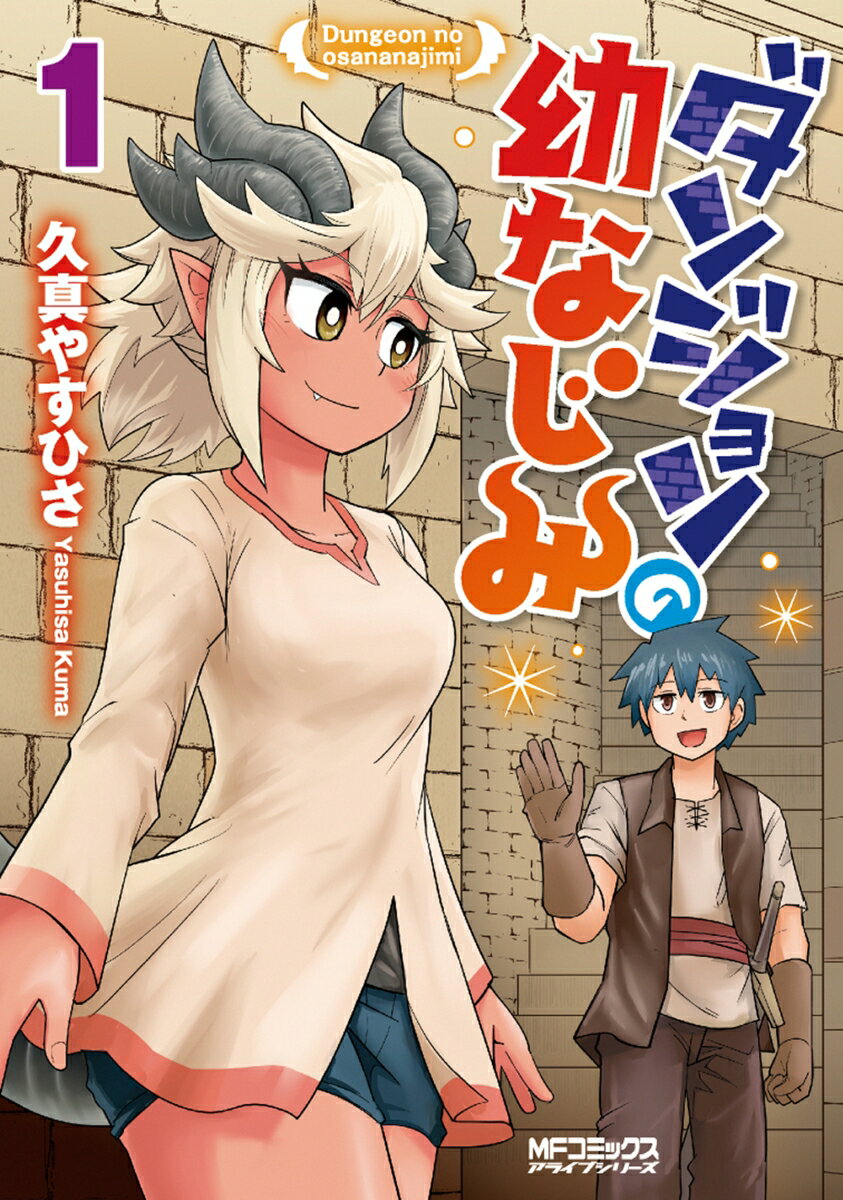
シンキングプロセス: 1. **Understand the Goal:** Translate an English manga synopsis into natural Japanese, *without* any extra commentary, just the translation itself. 2. **Read the Original English Synopsis Carefully:** "Van and Ryuka the dragon girl have been friends since childhood. As adults, Van has become a dashing adventurer, and Ryuka has become the boss of a dangerous dungeon! Now Van has to beat up a bunch of Ryuka’s monster underlings every time he wants to bring her food, plan a game night with her, or just hang out. Fantasies come alive in this delightful rom-com about two friends on the verge of love and the monsters who ship them!" 3. **Break Down Sentence by Sentence/Phrase by Phrase for Translation:** * "Van and Ryuka the dragon girl have been friends since childhood." * Vanと竜人の少女リューカは、幼馴染。 * Alternatively: ヴァンと竜人の少女リューカは、子供の頃からの友達。 (幼馴染 sounds more natural and concise for "friends since childhood" in this context). * "As adults, Van has become a dashing adventurer, and Ryuka has become the boss of a dangerous dungeon!" * 大人になったヴァンは、凄腕の冒険者に。 * リューカは危険なダンジョンのボスとなっていた! * Combine: 大人になったヴァンは凄腕の冒険者に、リューカは危険なダンジョンのボスとなっていた! (Looks good) * "dashing adventurer" -> "凄腕の冒険者" (skilled/formidable adventurer) fits well. "イケメンの冒険者" (handsome adventurer) might also work for "dashing," but "凄腕" emphasizes his capability which is relevant for beating monsters. Let's stick with 凄腕 for now, as the focus is on his actions. * "Now Van has to beat up a bunch of Ryuka’s monster underlings every time he wants to bring her food, plan a game night with her, or just hang out." * 「彼女に差し入れを持って行こうと」「一緒にゲームをしようと」「ただ一緒に過ごそうと」 (clauses for "every time he wants to...") * ヴァンは毎回、リューカのモンスターの部下たちを倒さなければならない。 * Combine and refine: ヴァンは、リューカに差し入れを届けようと、一緒にゲームをしようと、あるいはただ会いに来ようと、毎回その都度、彼女のモンスターの部下たちを蹴散らす羽目になる。 * "beat up a bunch of Ryuka's monster underlings" -> "リューカのモンスターの部下たちを蹴散らす羽目になる" (ends up having to rout/scatter her monster subordinates). "蹴散らす" implies beating them up/driving them away effectively. "羽目になる" conveys the "has to" aspect. * "bring her food" -> "差し入れを届けようと" (bring a snack/treat). * "plan a game night with her" -> "一緒にゲームをしようと" (plan a game session with her). * "just hang out" -> "ただ会いに来ようと" or "ただ一緒に過ごそうと" (just come to see her/just spend time together). "会いに来ようと" might be a bit more active and fits the "coming to the dungeon" context. * "Fantasies come alive in this delightful rom-com about two friends on the verge of love and the monsters who ship them!" * "Fantasies come alive" -> 異世界ものならではのファンタジー要素が満載! (full of fantasy elements unique to an other-world story - this feels a bit generic. Let's re-think.) Or: ファンタジーの世界が生き生きと描かれる! (The fantasy world is vividly depicted!) * Let's consider the overall tone. It's a rom-com. "Fantasies come alive" implies the setting itself is vibrant. How about: 夢とロマンが詰まったファンタジーの世界で? No, that's too poetic. * Maybe: 異世界ファンタジーの世界で繰り広げられる? Or just connect it directly to the rom-com. * "delightful rom-com" -> 愉快なラブコメディ (pleasant/delightful love comedy). * "about two friends on the verge of love" -> 恋に発展しそうな二人の幼馴染。 (two childhood friends who seem like they're about to develop love). * "and the monsters who ship them!" -> そして二人を「推す」モンスターたち。 (and the monsters who "stan/support" them). "ship them" is modern slang, "推す" (osu) is the perfect Japanese equivalent. * Combine and refine this last sentence: * 恋人未満の幼馴染二人と、そんな二人を応援するモンスターたちが織りなす愉快なラブコメディ。 (A pleasant rom-com woven by two childhood friends who are less than lovers, and the monsters who cheer for them.) * How to incorporate "Fantasies come alive"? Maybe as an overarching descriptor. * Let's try to make it punchy. "Fantasies come alive in this delightful rom-com..." can be interpreted as "This delightful rom-com brings fantasies to life." * 愉快なラブコメディに、夢と冒険のファンタジーが息づく! No, that's not quite right. * The original English implies the *story itself* is a fantasy come alive. * "Fantasies come alive" could refer to the typical elements of fantasy stories, but here it's more about the premise itself being fantastical yet delightful. * Let's try to integrate "fantasies come alive" into the description of the rom-com. * "恋人未満の幼馴染二人と、そんな二人を応援するモンスターたちが繰り広げる、ファンタジー世界を舞台にした愉快なラブコメディ!" (A delightful rom-com set in a fantasy world, unfolded by two childhood friends who are less than lovers, and the monsters who cheer for them!) * This is good, but "Fantasies come alive" is still missing. * What if "Fantasies come alive" is just setting the tone? "夢あふれる世界で繰り広げられる、愉快なラブコメディ。" (A delightful rom-com unfolding in a dream-filled world.) * Or, "ファンタジーの世界が生き生きと描かれる、愉快なラブコメディ。" (A delightful rom-com where the fantasy world is vividly depicted.) * Let's try to make it simpler and more direct: * 恋人未満の幼馴染二人の行く末と、彼らを応援するモンスターたちのドタバタが楽しい、異色のファンタジーラブコメ! * "異色のファンタジーラブコメ" (a unique/unconventional fantasy rom-com) implies the "fantasies come alive" and "delightful" aspects. * "ドタバタが楽しい" (the slapstick/mayhem is fun) covers the "delightful" and the monster interactions. * "行く末と" (and their future/destiny) captures "on the verge of love." 4. **Review and Combine into a Coherent Japanese Synopsis:** * ヴァンと竜人の少女リューカは幼馴染。 * 大人になったヴァンは凄腕の冒険者に、リューカは危険なダンジョンのボスとなっていた。 * ヴァンは、リューカに差し入れを届けようと、一緒にゲームをしようと、あるいはただ会いに来ようと、毎回その都度、彼女のモンスターの部下たちを蹴散らす羽目になる。 * 恋人未満の幼馴染二人と、そんな二人を応援するモンスターたちが織りなす、夢と笑いに満ちた異色のファンタジーラブコメ! * "夢と笑いに満ちた" (filled with dreams and laughter) could encompass "fantasies come alive" and "delightful." * "異色のファンタジーラブコメ" (a unique fantasy rom-com) sounds good. * Let's re-evaluate "Fantasies come alive." It's more about the *spirit* of fantasy being present. "夢あふれるファンタジー世界で繰り広げられる愉快なラブコメ" is pretty close. Let's try this final version: ヴァンと竜人の少女リューカは幼馴染。大人になったヴァンは凄腕の冒険者に、リューカは危険なダンジョンのボスとなっていた。リューカに差し入れを届けようと、一緒にゲームをしようと、あるいはただ会いに来ようと、ヴァンは毎回その都度、彼女のモンスターの部下たちを蹴散らす羽目になる。恋人未満の幼馴染二人の行く末と、そんな二人を応援するモンスターたちのドタバタが楽しい、夢と笑いに満ちた異色のファンタジーラブコメ! Let's simplify "毎回その都度" to just "毎回". "going to bring her food, plan a game night with her, or just hang out" can be streamlined. 「食べ物を届けようと、ゲームを計画しようと、あるいはただ会いに来ようと」 sounds a bit clunky. 「食べ物を届けたり、ゲームをしたり、あるいはただ一緒に過ごそうとするたびに」 - this is better. Final attempt at wording the third sentence: 「彼女に食べ物を届けようと、ゲームを計画しようと、あるいはただ一緒に過ごそうとするたびに、ヴァンはリューカのモンスターの部下たちを蹴散らさなければならない。」 (Every time he tries to bring her food, plan a game, or just spend time with her, Van has to rout Ryuka's monster subordinates.) - This is very literal. Let's go back to a more natural flow: リューカに差し入れを届けたり、一緒にゲームをしたり、ただ会いに来ようとするたびに、ヴァンは毎回、彼女のモンスターの部下たちを蹴散らす羽目になる。 (Every time he tries to bring Ryuka a snack, play a game with her, or just come to see her, Van ends up having to rout her monster subordinates.) - This sounds very natural. For the last sentence: "Fantasies come alive in this delightful rom-com about two friends on the verge of love and the monsters who ship them!" 恋人未満の幼馴染二人と、そんな二人を応援するモンスターたちが織りなす、夢と笑いに満ちた愉快なファンタジーラブコメ! "Fantasies come alive" can be expressed by "夢と笑いに満ちた愉快なファンタジーラブコメ" (a delightful fantasy rom-com filled with dreams and laughter). This captures the essence. "異色" might be too strong, "愉快な" already covers "delightful". Let's re-read the full Japanese translation aloud to check naturalness. ヴァンと竜人の少女リューカは幼馴染。 大人になったヴァンは凄腕の冒険者に、リューカは危険なダンジョンのボスとなっていた。 リューカに差し入れを届けたり、一緒にゲームをしたり、ただ会いに来ようとするたびに、ヴァンは毎回、彼女のモンスターの部下たちを蹴散らす羽目になる。 恋人未満の幼馴染二人と、そんな二人を応援するモンスターたちが織りなす、夢と笑いに満ちた愉快なファンタジーラブコメ! This flows well and captures all the nuances.ヴァンと竜人の少女リューカは幼馴染。大人になったヴァンは凄腕の冒険者に、リューカは危険なダンジョンのボスとなっていた。リューカに差し入れを届けたり、一緒にゲームをしたり、ただ会いに来ようとするたびに、ヴァンは毎回、彼女のモンスターの部下たちを蹴散らす羽目になる。恋人未満の幼馴染二人と、そんな二人を応援するモンスターたちが織りなす、夢と笑いに満ちた愉快なファンタジーラブコメ!